
Top 5 Best Platforms for an Ecommerce Website in 2025
Launching an ecommerce website in 2025 requires more than a good product — the platform you choose must support speed, scalability, SEO, customization, marketing, and long-term growth. With hundreds of website builders and ecommerce tools available today, picking the right one can be overwhelming.
To help you make the right choice, we’ve compiled a detailed breakdown of the Top 5 Best Platforms for Ecommerce Websites, ranked by flexibility, performance, SEO capabilities, ease of use, scalability, pricing, and overall business suitability.
And as always — if you’re looking for expert help with building or scaling your store, you can reach out to AddOnn Tech → https://addonn.in, a trusted ecommerce agency.
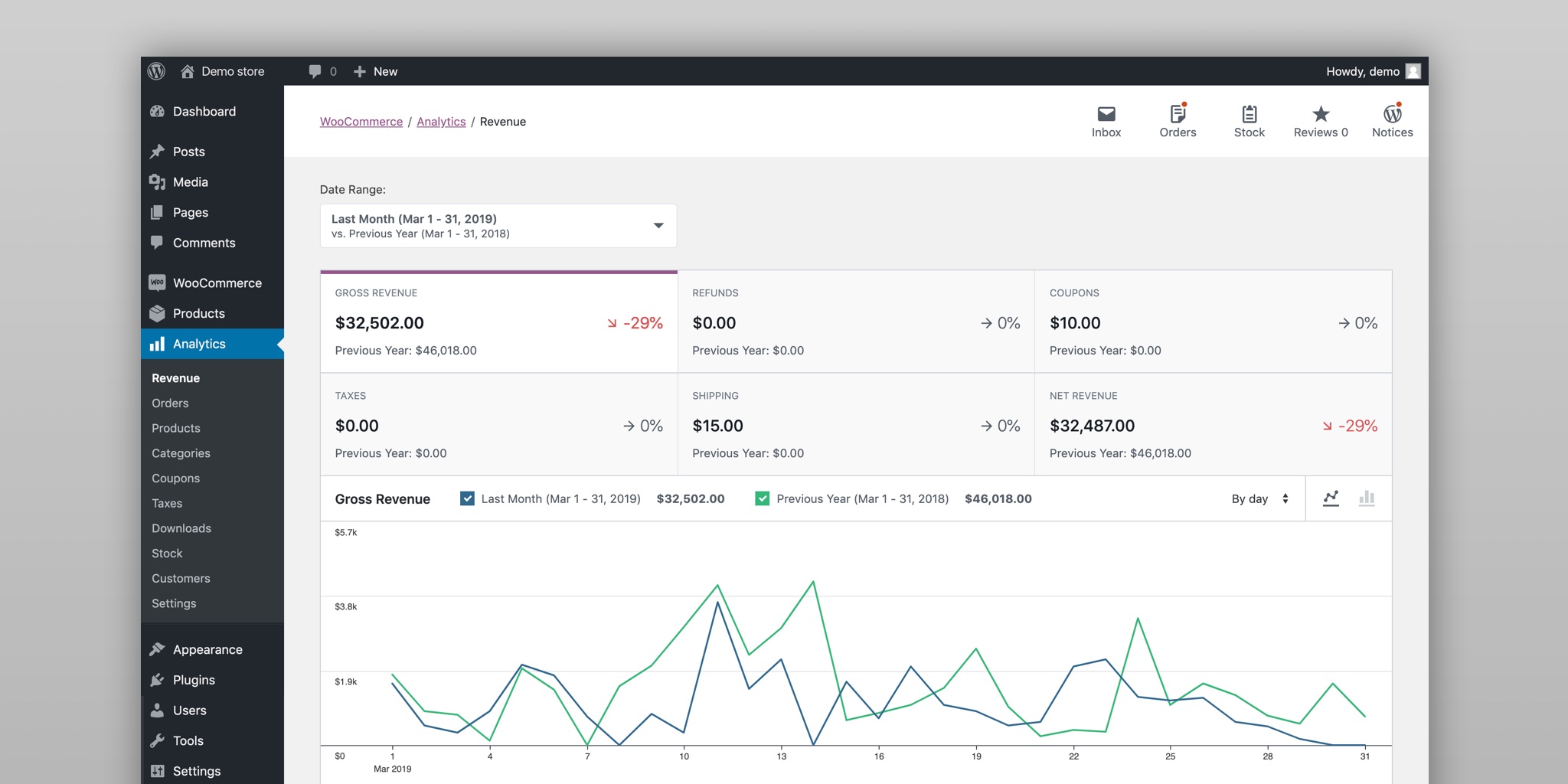

1. WordPress + WooCommerce — Best Overall Ecommerce Platform in 2025 (SEO, Customization & Full Control)
When it comes to ecommerce, WooCommerce on WordPress remains the strongest platform in 2025 — especially for brands that want complete ownership, maximum SEO performance, deep customization, and long-term scalability.
WooCommerce powers more online stores globally than any other platform, and for good reason. It is open-source, stable, developer-friendly, flexible, and easy to integrate with almost any tool you can imagine — from payment gateways to inventory systems to marketing tools.
Why WooCommerce Is the #1 Ecommerce Platform
1. Complete Ownership & Flexibility
Unlike Shopify or other hosted platforms, WooCommerce is self-hosted, meaning you fully control:
- Website files
- Database
- Custom features
- SEO structure
- Design & UX
- Site performance
This gives businesses the power to build the store exactly how they want — with no platform restrictions.
2. Best SEO Performance in the Ecommerce Industry
Because WooCommerce runs on WordPress, the world’s strongest content management system, it offers:
- Deep SEO optimization
- Excellent blog/content capabilities
- Superior on-page SEO
- Fast indexing
- Better keyword ranking potential
For ecommerce brands relying on organic traffic, WooCommerce is unbeatable.
3. Thousands of Plugins & Themes
You can add any functionality you need:
- Booking system
- Subscription model
- Marketplace
- Multi-vendor system
- Membership site
- Custom checkout
- Custom shipping logic
Everything is possible.
4. Cost Efficiency
WooCommerce itself is free. You only invest in:
- Hosting
- Domain
- Premium plugin(s) if needed
This makes WooCommerce suitable for startups and enterprise-level brands.
5. Ideal for Scalability
From 10 products to 1,00,000+ products, WooCommerce scales with the proper hosting and optimization setup.
Who Should Choose WooCommerce?
WooCommerce is best for:
- SEO-driven ecommerce brands
- Businesses needing custom features
- Stores selling digital + physical products
- Brands planning long-term scaling
- Companies wanting full ownership and no monthly SaaS fees
If you want a professional WooCommerce store built, optimized, or migrated, connect with AddOnn Tech → https://addonn.in
2. Shopify — Best for Beginners & Fast Launch Ecommerce in 2025
Shopify is the most beginner-friendly ecommerce platform in the world. In 2025, Shopify continues to dominate among new entrepreneurs, clothing brands, dropshipping stores, and D2C brands looking for a fast, ready-to-use ecommerce system.
Shopify handles everything for you — hosting, security, updates, server management — so you never touch technical functions.
Why Businesses Love Shopify
1. Extremely Easy to Use
Even without technical knowledge, you can build a store in:
- Minutes (basic store)
- Hours (ready-to-sell store)
- A few days (custom branded store)
Its drag-and-drop builder and polished dashboard make the process simple.
2. Wide App Store
If you need:
- Upsells
- Abandoned cart recovery
- Email automation
- Checkout optimizations
- Dropshipping integrations
You can find an app for everything.
3. Safe, Stable & Fully Hosted
Shopify handles:
- SSL
- Hosting
- Backups
- Security
- Server load
Ideal for beginners or busy business owners.
4. Excellent for D2C Brands
Clothing, shoes, beauty, jewellery, fitness products — Shopify is built for D2C.
Limitations
- Apps can become expensive
- Advanced customizations require coding
- Transaction fees apply unless using Shopify Payments
- Limited compared to WooCommerce for SEO and deep customization
Who Should Choose Shopify?
- New ecommerce entrepreneurs
- Clothing & fashion brands
- Dropshippers & print-on-demand sellers
- Stores needing quick launch
- Non-technical users
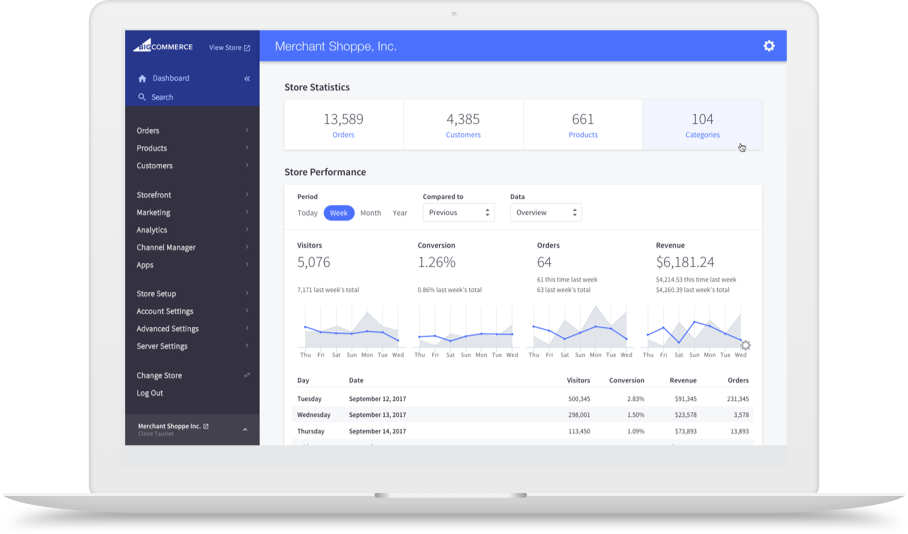
3. BigCommerce — Best for Growing & Enterprise-Level Ecommerce
BigCommerce is a powerful SaaS ecommerce platform designed for medium and large-scale businesses. It offers advanced built-in features that many other platforms rely on third-party apps for.
This means fewer plugin costs and stronger performance out of the box.
Top Advantages of BigCommerce
1. Scales Easily
Designed to handle:
- High traffic
- Large inventories
- Multi-store setups
2. No Transaction Fees
Unlike Shopify, BigCommerce does not charge transaction fees on external payment gateways.
3. Built-In Features That Reduce Extra Costs
You get:
- Advanced product filtering
- Complex shipping rules
- Multi-currency
- B2B and wholesale features
- Advanced analytics
4. Multi-Channel Selling
Sell on:
- Amazon
- eBay
- Google Shopping
This makes it perfect for brands expanding into multiple channels.
Who Should Choose BigCommerce?
- Growing D2C brands
- Wholesale & B2B businesses
- High-volume ecommerce stores
- Brands wanting enterprise features
4. Wix Ecommerce — Best for Small Businesses & Creative Sellers
Wix is a beginner-friendly platform with excellent design freedom and easy drag-and-drop editing. It’s not as powerful as Shopify or WooCommerce, but for micro-businesses, it’s ideal.
Why Wix is a Good Fit for Small Sellers
1. Easiest Website Builder
You can build a beautiful site with:
- No coding
- No plugins
- No technical setup
2. Good for Small Ecommerce Needs
Best suited for:
- Boutiques
- Handmade products
- Small-scale stores
- Portfolio + shop hybrid websites
3. Affordable Pricing
Wix is one of the most budget-friendly ecommerce platforms.
4. Integrated Tools
You get built-in:
- Marketing features
- Basic SEO tools
- Payment integration
- Mobile editor
Who Should Choose Wix?
- First-time sellers
- Local businesses
- Photographers, designers, artists
- Small shops with limited products
5. Magento / Adobe Commerce — Best for Complex, Enterprise-Level Ecommerce
Magento (now Adobe Commerce) is the most customizable ecommerce platform in the world. It is highly robust and used by large companies, global stores, wholesalers, and advanced ecommerce operations.
Why Magento Stands Out
1. Unlimited Customization
You can modify every part of the:
- Backend
- Frontend
- Checkout
- Product types
- Business logic
2. Multi-Store & Multi-Language
Perfect for international ecommerce.
3. Handles Massive Catalogs
Magento can handle:
- Millions of SKUs
- High traffic
- Complex product variants
4. Advanced Security
Enterprise-grade security features for global brands.
Downside
Magento requires:
- Skilled developers
- Larger hosting resources
- Bigger budgets
But if your brand is big and needs custom workflows, Magento is unmatched.
Ecommerce Platform Comparison Table (2025)
| Platform | Best For | SEO | Ease of Use | Customization | Cost |
|---|---|---|---|---|---|
| WooCommerce + WordPress | SEO, customization, long-term scaling | ⭐⭐⭐⭐⭐ | ⭐⭐⭐ | ⭐⭐⭐⭐⭐ | Low–Medium |
| Shopify | Beginners, D2C, quick launch | ⭐⭐⭐⭐ | ⭐⭐⭐⭐⭐ | ⭐⭐ | Medium |
| BigCommerce | Scaling brands, B2B | ⭐⭐⭐⭐ | ⭐⭐⭐⭐ | ⭐⭐⭐ | Medium–High |
| Wix Ecommerce | Small businesses, creatives | ⭐⭐⭐ | ⭐⭐⭐⭐⭐ | ⭐⭐ | Low |
| Magento (Adobe Commerce) | Enterprise-level stores | ⭐⭐⭐⭐ | ⭐⭐ | ⭐⭐⭐⭐⭐ | High |
How to Choose the Best Ecommerce Platform for Your Business
Ask yourself the following questions:
1. What is your business size?
- Small brand → Wix / Shopify
- Medium/large store → Shopify / BigCommerce
- Enterprise → Magento
- SEO-focused content + ecommerce → WooCommerce
2. What’s your technical comfort level?
- No technical skills → Shopify / Wix
- Basic to intermediate → WooCommerce
- Advanced developers available → Magento
3. What is your growth plan?
- Quick launch → Shopify
- Long-term scaling → WooCommerce / BigCommerce
- Global market → Magento
4. What is your budget?
- Low budget → WooCommerce / Wix
- Medium → Shopify
- High → Magento
Final Recommendation (2025)
After comparing all the platforms, one conclusion is clear:
➡ WooCommerce + WordPress remains the #1 ecommerce platform in 2025 for businesses that want:
- Full control
- Maximum SEO power
- Unlimited customization
- Scalable performance
- Lower long-term costs
Shopify is a perfect second choice for beginners and D2C brands wanting a fast, managed, all-in-one system.
BigCommerce suits scaling brands, Wix is ideal for small sellers, and Magento is unbeatable for enterprise-level operations.
Need a Professional Ecommerce Website or Meta Ads Setup?
If you want a fully built ecommerce store, SEO-optimized pages, high-converting Meta Ads, or complete brand management — visit:
👉 AddOnn Tech — https://addonn.in
Ecommerce Development • Shopify • WooCommerce • Website Design • Meta Ads Setup • Ad Optimization








Leave a Reply